
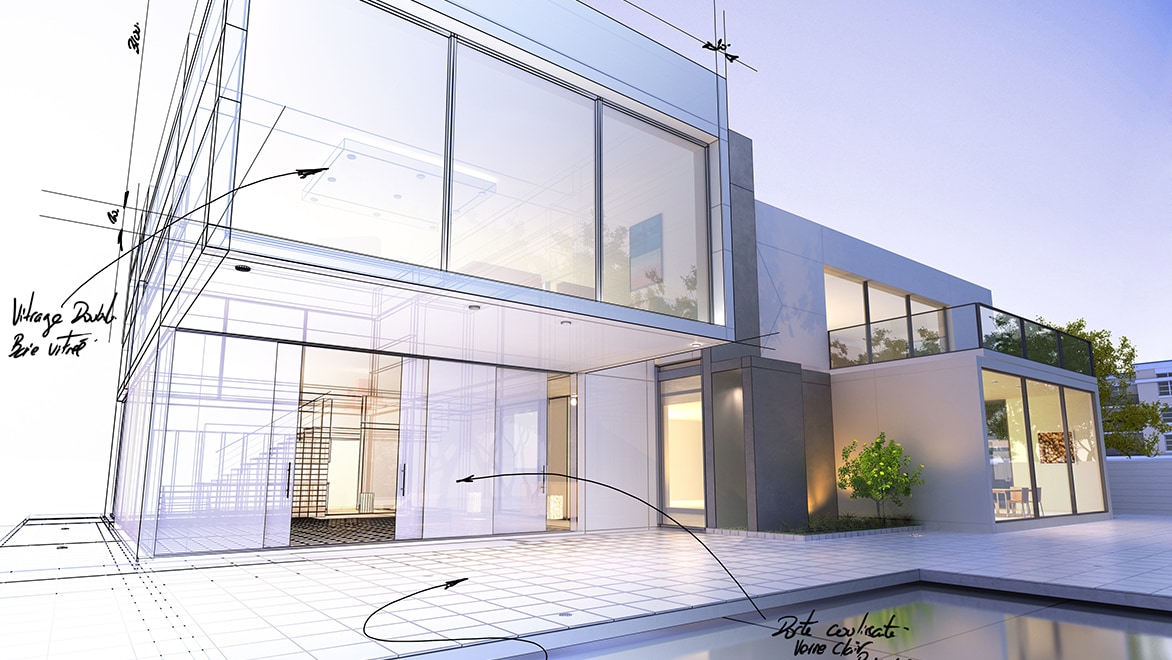
Architectural design is a multidimensional process that intertwines creativity, functionality, and innovation to craft spaces that inspire and endure. From iconic skyscrapers to humble abodes, every structure is a testament to the vision and expertise of architects who meticulously conceptualize and execute their designs. In this exploration, we delve into the intricacies of architectural design, unraveling its principles, processes, and profound impact on the built environment.
Principles of Architectural Design
1. Form follows Function
This age-old adage encapsulates a fundamental principle of architectural design, emphasizing the importance of functionality in shaping the form of a building. Architects strive to optimize spatial layouts and circulation patterns to enhance usability and efficiency while maintaining aesthetic integrity.
2. Contextual Integration
Successful architectural design takes into account the surrounding context, including cultural, historical, and environmental factors. By harmonizing with the existing landscape and urban fabric, buildings become integral parts of their environments, enriching the built environment and fostering a sense of place.
3. Sustainability and Resilience
In an era of environmental awareness, architects are increasingly embracing sustainable design principles to minimize the ecological footprint of buildings. Incorporating strategies such as passive solar design, rainwater harvesting, and green roof systems, architects aim to create buildings that are not only environmentally responsible but also resilient to future challenges.
The Design Process
1. Conceptualization
The design process begins with a thorough understanding of the project requirements, client aspirations, and site conditions. Architects engage in brainstorming sessions, sketching, and conceptual modeling to explore design ideas and establish a conceptual framework that guides the subsequent stages of the project.
2. Schematic Design
During the schematic design phase, architects develop preliminary design concepts that translate the project vision into tangible form. This stage involves refining spatial arrangements, exploring material palettes, and conceptualizing key architectural elements to create a cohesive design concept that aligns with the project goals.
3. Design Development
In the design development phase, architects delve into greater detail, further refining the design and addressing technical considerations. This stage involves coordination with engineers, consultants, and other stakeholders to integrate structural, mechanical, and electrical systems seamlessly into the architectural framework.
4. Construction Documents
The construction document phase entails the preparation of detailed drawings, specifications, and other documentation necessary for the construction of the project. Architects collaborate with contractors and builders to ensure that the design intent is accurately translated into built form, adhering to regulatory requirements and industry standards.
5. Construction Administration
Throughout the construction phase, architects provide oversight and support to ensure that the project is executed according to the design intent and quality standards. This involves site visits, progress inspections, and coordination with contractors to address any issues that may arise during the construction process.
Architectural Styles and Movements
1. Classical Architecture
Rooted in ancient Greek and Roman traditions, classical architecture embodies principles of symmetry, proportion, and order. characterized by grandiose columns, pediments, and arches, classical buildings exude a sense of timelessness and monumentality that continues to inspire architects to this day.
2. Modernism
Emerging in the early 20th century, modernism rejected traditional ornamentation in favor of clean lines, geometric forms, and industrial materials. characterized by simplicity, functionality, and a focus on social progress, modernist architecture revolutionized the built environment and paved the way for contemporary design movements.
3. Postmodernism
Reacting against the perceived limitations of modernism, postmodern architecture embraces eclecticism, irony, and historical references. characterized by playful juxtapositions, exaggerated forms, and eclectic ornamentation, postmodern buildings challenge conventional notions of architectural style and celebrate diversity and plurality.
The Impact of Architectural Design
Architectural design shapes our experiences, influences our perceptions, and defines the spaces we inhabit. From iconic landmarks that symbolize cultural identity to intimate dwellings that provide sanctuary, architecture has the power to evoke emotion, foster connection, and shape the fabric of society.
Conclusion
In conclusion, architectural design is a dynamic and multifaceted discipline that bridges art and science, creativity and pragmatism. Guided by principles of form follows function, contextual integration, and sustainability, architects endeavor to create spaces that inspire, endure, and enrich the human experience. Through a meticulous design process and a deep appreciation for history and context, architects continue to shape the built environment, leaving an indelible mark on the world around us.