Designing a House Suitable for Coastal Areas

Designing a home for a coastal region requires thoughtful consideration of both aesthetics and functionality. The unique environmental challenges and scenic beauty of coastal areas offer an opportunity to create a harmonious blend of nature and architecture.

Key Considerations for Coastal Home Design

Resilience to Weather Conditions

Coastal areas are often subject to extreme weather conditions, including high winds, salty air, and potential flooding. Using durable, weather-resistant materials is crucial. Materials like stainless steel, treated wood, and marine-grade aluminum can withstand the corrosive effects of saltwater. Incorporating impact-resistant windows and reinforced roofing ensures the home remains secure during storms.

Elevation and Flood Protection

Raising the house on stilts or pilings is a common practice in coastal architecture. This elevation protects against flooding and storm surges. Elevated homes not only safeguard against water damage but also provide a better vantage point for enjoying ocean views. Proper drainage systems around the property … Read more
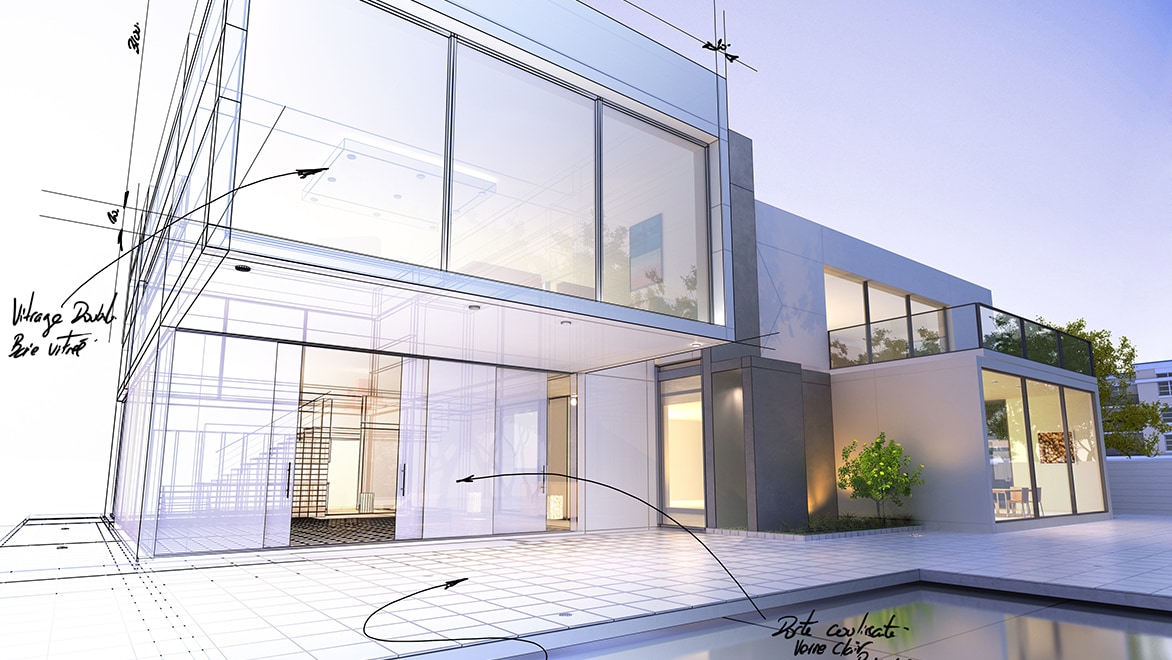
Unveiling the Artistry: Exploring Architectural Design

Architectural design is a multidimensional process that intertwines creativity, functionality, and innovation to craft spaces that inspire and endure. From iconic skyscrapers to humble abodes, every structure is a testament to the vision and expertise of architects who meticulously conceptualize and execute their designs. In this exploration, we delve into the intricacies of architectural design, unraveling its principles, processes, and profound impact on the built environment.

Principles of Architectural Design

1. Form follows Function

This age-old adage encapsulates a fundamental principle of architectural design, emphasizing the importance of functionality in shaping the form of a building. Architects strive to optimize spatial layouts and circulation patterns to enhance usability and efficiency while maintaining aesthetic integrity.

2. Contextual Integration

Successful architectural design takes into account the surrounding context, including cultural, historical, and environmental factors. By harmonizing with the existing landscape and urban fabric, buildings become integral parts of their environments, enriching the … Read more