
A greenhouse is far more than just a glass box; it is a precisely engineered microclimate, a sophisticated piece of horticultural architecture designed to capture, store, and manage solar energy for the benefit of plant life. Achieving optimal plant growth year-round requires moving beyond simple, off-the-shelf kits and mastering the principles of Greenhouse Design. The science and art of this design process involve a critical balance of thermal management, ventilation, lighting, and structural integrity, all tailored to the specific climate and the crops intended to thrive within its controlled environment.
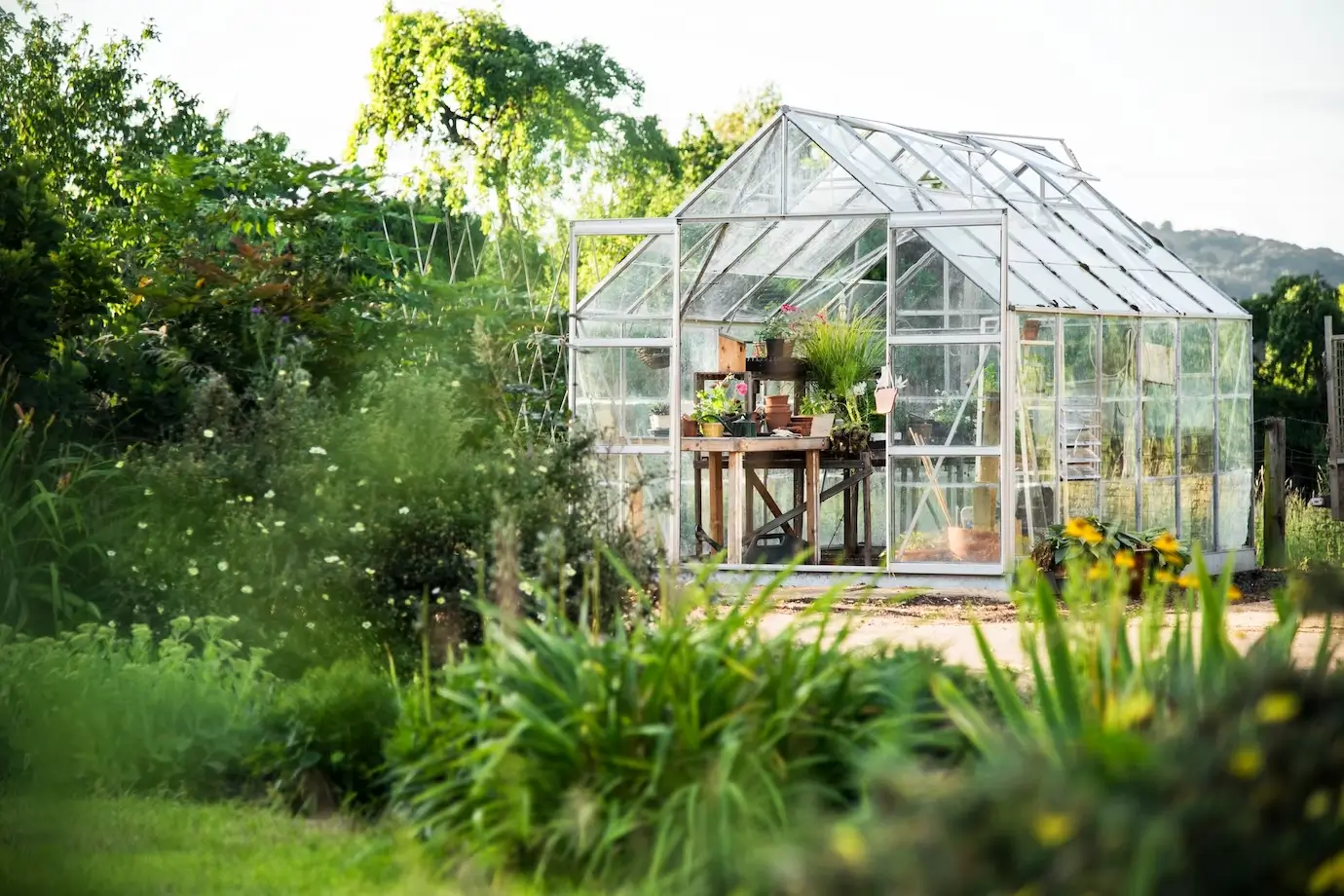
Understanding these design elements is essential for anyone—from commercial growers to passionate home gardeners—seeking to maximize yield and minimize energy expenditure.
I. Structural Integrity and Orientation
The very foundation of good greenhouse design begins with the structure and its placement relative to the sun.
A. Orientation for Optimal Light Capture
In the Northern Hemisphere, the orientation of a greenhouse is crucial for maximizing winter light exposure and managing summer heat gain.
- High-Latitude Design: For regions with severe winters, commercial and large hobby greenhouses should ideally be oriented with their long axis running East-West. This maximizes the surface area facing South, capturing the low-angle winter sun for warmth and light penetration when it is most needed.
- Low-Latitude Design: Near the equator, where light is intense year-round, orientation is less critical, but managing direct, overhead summer sun (and maximizing ventilation) becomes the priority.
B. Glazing Material Selection
The choice of material for the walls and roof (glazing) directly impacts light transmission, heat retention, and durability.
- Glass: Offers the best light transmission (nearly 90%) and is highly durable, but it is expensive, heavy, and a poor insulator, leading to high heat loss (or gain) unless double-paned.
- Polycarbonate Sheets: The most popular choice for modern design. Polycarbonate is lightweight, highly durable, provides better insulation (especially twin-wall or multi-wall panels), and diffuses light more effectively, reducing harsh shadows and scorching.
- Polyethylene Film: The most economical option, offering good light transmission, but requires regular replacement (every 3-5 years) and provides the least structural integrity and insulation.
II. Thermal Management: The Core Design Challenge
The most complex aspect of greenhouse design is controlling temperature—keeping the space warm when it is cold outside and cool when the sun is intense.
A. Ventilation: The Necessity of Airflow
Uncontrolled solar gain can quickly turn a greenhouse into an oven. Effective ventilation is necessary to exhaust hot, humid air and draw in cooler, drier air.
- Passive Ventilation: Relying on the principle of heat rising. Vents should be placed low on the side walls (inlets) and high on the roof ridge (outlets). The total vent opening area should be at least 15-20% of the greenhouse floor area.
- Active Ventilation: Using exhaust fans and motorized louvers, particularly in large commercial setups. The system must be sized to achieve a complete air exchange within the greenhouse every 60 seconds (or faster in hot climates).
B. Insulation and Thermal Mass
To manage temperature swings, smart design incorporates insulation and thermal mass.
- Insulation: In cold climates, insulating the north wall (or the entire north-facing side) with opaque materials can reduce heat loss dramatically without sacrificing crucial southern light. Foundation walls should also be insulated.
- Thermal Mass: Incorporating materials that absorb heat during the day and slowly release it at night helps stabilize temperatures. This often includes water barrels painted black, concrete floors, or deep rock beds beneath the planting area.
III. Supporting Systems and Interior Layout
The internal organization and supporting technologies ensure the optimal environment is not only created but also consistently maintained.
A. Heating and Cooling Systems
While solar heat is the goal, supplementary heating is often necessary at night or on cloudy winter days. Design should incorporate efficient systems like:
- Hydronic Heating: Hot water circulated through pipes beneath the benches or the floor (sub-grade heating) provides even, radiant warmth.
- Evaporative Cooling: In dry climates, “swamp coolers” that use the evaporation of water to cool the incoming air are highly efficient alternatives to air conditioning.
B. Bench and Walkway Layout
The internal layout must balance maximum growing area with efficient access for management and harvesting. A well-designed layout maximizes light distribution and prevents shading. Typically, this involves raised benches (improving air circulation around plants) and clear, well-drained walkways.
C. Water Management
An integrated watering system is essential. This often includes drip irrigation (which conserves water and prevents foliar disease) and a system for collecting and managing condensate or runoff.
Conclusion: The Engineered Ecosystem
Optimal greenhouse design is a sophisticated engineering challenge that relies on an understanding of physics, botany, and local meteorology. It requires making deliberate choices regarding orientation, glazing material, and ventilation capacity to create a predictable, controlled ecosystem. By moving beyond basic structure and focusing on the critical balance of light, heat, and air management, growers can transform their greenhouse into a high-performance agricultural tool, maximizing their yields and ensuring successful cultivation regardless of the weather outside.