
The dream of building or renovating a perfect home often conjures images of luxurious finishes and bespoke features. Yet, the wisest approach to home design—one that ensures longevity, resale value, and personal satisfaction—is the strategic alignment of Financial and Fashionable Home Plans. A truly great design is not just aesthetically pleasing; it is financially intelligent, incorporating sustainable, cost-effective, and adaptable features that prevent unnecessary expense down the line and retain value in the market.
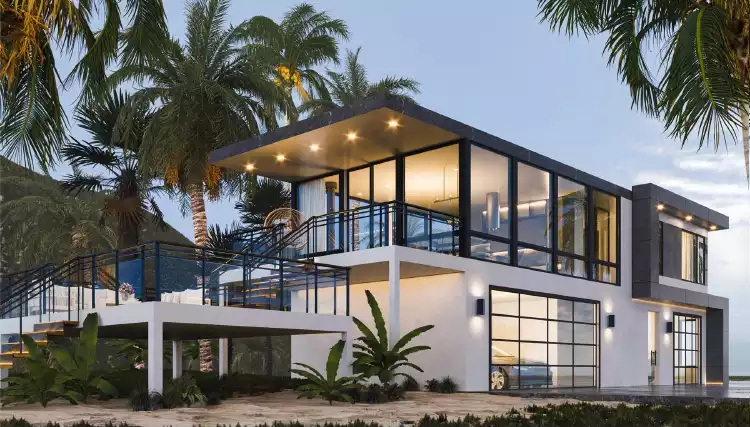
This article delves into the strategies that allow homeowners to achieve a stylish, modern look without sacrificing financial stability, demonstrating how smart planning is the ultimate design feature.
I. The Financial Blueprint: Maximizing Value Per Square Foot
The core of a financially sound home plan lies in efficient use of space and smart allocation of resources during the planning stage.
1. Prioritizing Efficiency Over Excess
The most expensive square footage is often the least utilized. Financially savvy plans prioritize function and flow over sheer size.
- Open-Concept Living: Maintaining an open layout for the main living areas (kitchen, dining, living room) is cost-effective because it minimizes the need for internal load-bearing walls and maximizes the utility of the space. This approach feels larger and brighter than multiple small, segregated rooms.
- Multipurpose Rooms: Designing spaces with flexibility in mind—a guest room that doubles as a home office, or a basement that can be finished later—ensures the home can adapt to changing family needs without requiring immediate, expensive additions.
2. The Power of Vertical Planning
Building out (horizontally) is often far more expensive than building up (vertically). Financially smart designs often maximize the existing footprint.
- Two-Story Efficiency: A two-story home requires half the foundation and half the roof area of a single-story home with the same square footage, offering significant savings on these two major cost centers.
- Storage Smartly: Integrating built-in storage (e.g., floor-to-ceiling shelving, under-stair closets) is more effective and often cheaper than allocating extra space for traditional closets or external storage units.
II. Fashionable Finishes: Strategic Spending for High Impact
Achieving a fashionable look does not require luxury pricing in every corner. Strategic spending on high-impact areas allows homeowners to save on structural elements while investing in visible aesthetics.
1. Focusing on Permanent Fixtures
Money should be invested in elements that are difficult and costly to replace, while more easily replaceable items (like light fixtures or cabinet hardware) can be sourced affordably.
- Kitchen Countertops: Quartz, granite, or solid-surface countertops are permanent fixtures that heavily influence resale value and style. This is an area worth the investment.
- Flooring: Hardwood floors or high-quality large-format tile in main living areas offer longevity and fashionability. Spending less on cheap carpet (which must be replaced frequently) and more on durable flooring provides long-term financial sense.
2. The 80/20 Rule of Design
Adopt the 80/20 rule: 80% of the home can utilize cost-effective, durable materials (e.g., standard subway tile, high-quality laminate or LVT flooring), while the remaining 20% can feature the high-end, fashionable splurge (e.g., a stunning backsplash, a dramatic light fixture over the island, or premium tile in the main shower). These splurges elevate the entire space without breaking the budget.
3. Neutrality as a Financial Asset
While bright colors are fun, selecting neutral, classic finishes for permanent elements (walls, cabinets, tile) is a financial safeguard. Neutral backdrops:
- Enhance Resale: They appeal to the broadest possible range of future buyers.
- Adapt to Trends: They allow the homeowner to cheaply update the style with trendy, affordable accessories like pillows, rugs, and artwork, rather than having to repaint entire rooms to follow the next color trend.
III. Future-Proofing: Sustainability as Financial Sense
The most modern and financially responsible plans incorporate sustainability not as a luxury, but as a long-term cost-saving measure.
- Zoning and Insulation: Investing in high-quality insulation and designing for thermal zoning (separate thermostats for different areas) immediately reduces utility costs—a continuous saving that compounds over the life of the home.
- Natural Light Maximization: Orienting the home to maximize natural light (passive lighting) reduces the need for electrical lighting and decreases solar heat gain, saving energy.
- Smart Technology Integration: Installing conduits and infrastructure for smart home technology, energy monitoring, and electric vehicle charging points future-proofs the home, making it more desirable to tech-savvy buyers later.
Conclusion: Intelligent Design is Stylish Design
A truly successful home plan beautifully marries the aesthetic desire for a fashionable space with the pragmatic necessity of financial prudence. By prioritizing efficient spatial use, strategically allocating budget to permanent high-impact features, and embracing sustainable, energy-saving technologies, homeowners create a dwelling that is not only stylish for today but resilient for tomorrow. The most fashionable home is ultimately the one that is the smartest investment.