
Homeownership is often lauded as the great American dream, but it is less frequently understood as a continuous process of Homeowners Development. This concept extends far beyond simply paying the mortgage; it encompasses the evolving skills, knowledge, financial acumen, and community engagement required to successfully maintain, improve, and secure the value of one’s property and neighborhood. A truly successful homeowner is not merely a resident, but an active steward who invests in their dwelling, their personal capabilities, and their local environment.
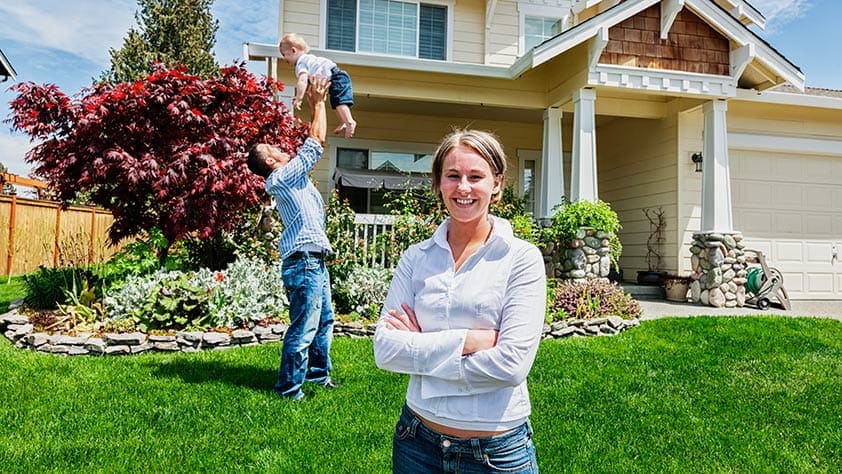
This article explores the three critical pillars of homeowners development, demonstrating how intentional growth in these areas leads to greater personal fulfillment and long-term financial security.
I. The Development of Technical and Maintenance Acumen
The first and most immediate area of development is mastering the practical, hands-on skills necessary to maintain the physical asset of the home. This shift from relying solely on external professionals to developing personal competence is both empowering and cost-effective.
A. Mastering Preventative Maintenance
A key differentiator between a novice and a developed homeowner is the transition from reactive maintenance (fixing things when they break) to proactive, preventative maintenance.
- Seasonal Checks: Developing a rigorous annual schedule for tasks like cleaning gutters, checking roof integrity, inspecting foundation drainage, and servicing HVAC systems is non-negotiable. These routines prevent small issues (like clogged downspouts) from escalating into costly disasters (like basement flooding).
- DIY Literacy: While not every homeowner needs to be a master plumber, developing basic DIY literacy—understanding how to safely shut off water lines, reset a tripped breaker, replace a faucet, or patch drywall—saves thousands of dollars in service calls and provides immediate problem-solving confidence. Online tutorials and community workshops are invaluable resources for this growth.
B. Understanding Structural and Utility Systems
A developed homeowner possesses a working knowledge of their home’s internal systems. They know where the water main shutoff is, understand the rating system of their insulation (R-value), and know the difference between a furnace filter and a water filter. This knowledge allows them to:
- Hire Smarter: When professional help is required (e.g., for major electrical or plumbing work), they can communicate effectively with contractors, understand the scope of work, and verify that the proposed solution is appropriate and not inflated.
II. The Development of Financial and Strategic Planning
Homeownership is fundamentally a financial enterprise. Developing strategic planning skills is essential to maximize the home’s equity and prepare for inevitable large expenses.
A. Strategic Equity Management
A home is a dynamic financial asset. Developing a strategy for its growth requires smart financial decisions.
- Emergency Fund for the Home: Separating personal savings from a dedicated Home Emergency Fund is critical. This fund is specifically earmarked for major, unavoidable replacements (e.g., a sudden need for a new roof or furnace), preventing the homeowner from incurring high-interest debt when disaster strikes.
- ROI-Driven Improvement: Not all renovations are created equal. A developed homeowner researches the Return on Investment (ROI) of potential projects. They understand that adding an extra bathroom or updating a kitchen usually yields a higher return than a highly customized, niche feature that only appeals to their specific taste.
B. Insurance and Tax Literacy
Navigating the complexities of property taxes, homestead exemptions, and homeowners insurance is part of the development process. A savvy homeowner regularly reviews their insurance policy to ensure coverage limits reflect the current replacement cost of the home, not just the original purchase price, particularly after making significant improvements.
III. The Development of Community Stewardship
The value of a home is directly tied to the quality, safety, and vitality of the surrounding neighborhood. Therefore, homeowners development must include community engagement.
A. Active Local Participation
Becoming a community steward means moving beyond one’s own property line.
- Local Government Awareness: Understanding local zoning laws, attending town hall or neighborhood association meetings, and engaging with municipal decisions that affect property values (e.g., new commercial development, road construction) is key.
- Neighborhood Watch and Social Connection: Participating in neighborhood groups, even informally, builds strong social capital, leading to increased safety, communal problem-solving, and a higher quality of life. A strong community is a major selling point for any home.
B. Aesthetic Consistency
A developed homeowner contributes to the collective curb appeal. They maintain their yard, repaint their trim, and ensure their property is visually appealing, recognizing that their maintenance standards positively influence the value of every other home on the street.
Conclusion: A Continuous Investment
Homeowners Development is a continuous, rewarding process that requires investing not just money, but time, intellect, and social energy. By intentionally cultivating technical acumen, mastering strategic financial planning, and embracing the role of a community steward, a homeowner transcends the role of mere resident. They become the active, informed manager of their most valuable asset and a vital contributor to the health and prosperity of their local environment, securing long-term fulfillment and enduring value.