
There is an inherent charm to a log cabin that few other architectural styles can replicate. Whether it is a rustic retreat tucked away in the mountains or a lakeside sanctuary, the log cabin represents a connection to nature, a sense of history, and a cozy refuge from the modern world. However, as time passes, these unique structures can become victims of wear, outdated aesthetics, and inefficient systems. A log cabin remodel is a specialized endeavor that requires a delicate balance between preserving the original rustic soul of the building and integrating the comforts and efficiencies of contemporary living.
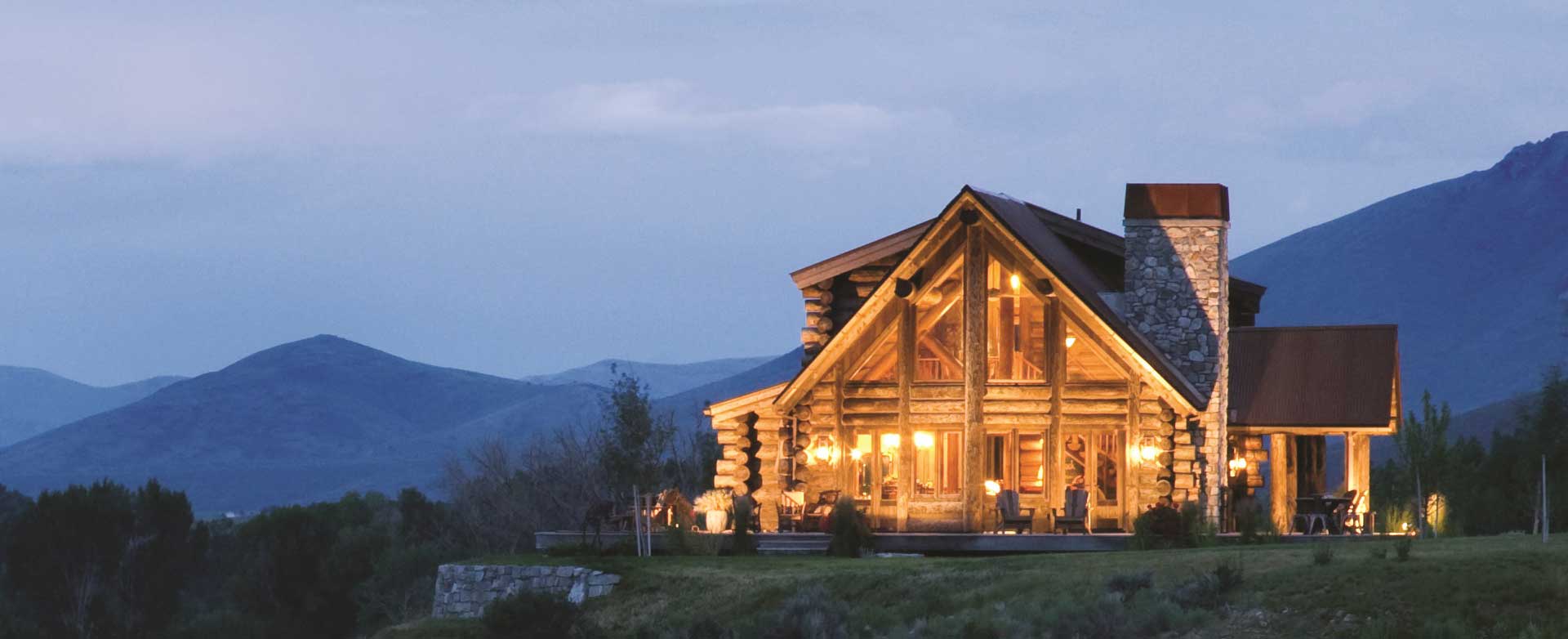
Renovating a log home is significantly different from remodeling a standard drywall-and-stud house. It involves understanding the structural integrity of natural timber, managing moisture levels, and working with irregular surfaces. When done correctly, a remodel can transform a dark, drafty cabin into a bright, luxurious, and energy-efficient home while significantly increasing its market value.
Assessing the Foundation: Structural Integrity and Log Health
Before you choose paint colors or kitchen tiles, the first and most critical step in a log cabin remodel is a thorough inspection of the logs themselves. Unlike traditional homes, the exterior walls of a cabin serve as both the structure and the finish.
Begin by looking for signs of “log rot,” which typically occurs in the lower courses of logs or around window sills where moisture tends to settle. Soft wood, fungal growth, or insect infestations (such as carpenter ants or termites) must be addressed immediately. In many cases, damaged sections of a log can be repaired using specialized wood epoxies, but severe decay may require a professional to “face” the log or replace the section entirely.
Another essential element is the “chinking” and “daubing”—the sealant between the logs. Old chinking can crack or pull away as the cabin settles and the wood breathes. Replacing old mortar with modern, flexible synthetic chinking is one of the most effective ways to improve a cabin’s insulation and stop drafts, making the home much more comfortable and cheaper to heat.
Illuminating the Interior: Overcoming the Darkness
The most common complaint about older log cabins is that they feel dark and claustrophobic. Deep brown wood walls, combined with small windows and heavy beams, tend to absorb light rather than reflect it. A primary goal of a modern remodel is often to “open up” the space.
One of the most effective strategies is to introduce contrast. You do not need to paint over every log wall—in fact, doing so can destroy the cabin’s character. Instead, consider painting the “tongue and groove” ceiling boards between the heavy rafters in a crisp white or a light cream. This draws the eye upward and makes the room feel significantly taller.
Replacing small, dated windows with larger, energy-efficient black-framed windows can also create a stunning visual contrast against the natural wood. If the budget allows, adding a skylight or a dormer can flood a previously dim loft area with natural light, turning a storage space into a vibrant home office or guest bedroom.
The Heart of the Cabin: Kitchen and Bath Modernization
To make a log cabin feel truly modern, the focus must shift to the kitchen and bathrooms. These are the areas where the “rustic” aesthetic often clashes most with daily functionality.
In the kitchen, consider a “Mountain Modern” approach. This involves pairing the raw texture of the log walls with sleek, minimalist cabinetry. Shaker-style cabinets in forest green, navy blue, or charcoal grey provide a sophisticated anchor to the room. Swapping out old laminate countertops for natural stone, such as soapstone or honed granite, maintains the organic feel while offering superior durability.
In bathrooms, the challenge is moisture management. Log walls and high humidity do not mix well. During a remodel, it is often wise to install tile wainscoting or moisture-resistant backer boards in “wet zones” like showers and behind vanities. Freestanding copper or stone tubs can serve as a luxurious centerpiece that complements the earthy tones of the timber.
Modern Comforts: Energy Efficiency and HVAC
Old cabins are notorious for being drafty in the winter and stifling in the summer. A successful remodel must address the “thermal envelope.” Logs have a high thermal mass, meaning they can store heat, but they are not inherently high-performance insulators.
In addition to the aforementioned chinking, consider upgrading the insulation in the roof and flooring. Many older cabins have minimal attic insulation; adding spray foam or high-R-value rigid board can make a transformative difference.
For climate control, many renovators are opting for ductless mini-split systems. These are ideal for log homes because they do not require the extensive (and often unsightly) ductwork that is difficult to hide in a solid-log structure. Furthermore, installing a modern, high-efficiency wood stove or a stone-clad fireplace can provide both a focal point and a reliable, sustainable heat source.
Finishing Touches: Flooring and Hardware
To tie the remodel together, look to the floors. If the original wide-plank floors are salvageable, sanding and refinishing them in a lighter matte stain can modernize the look instantly. If the floors are beyond repair, consider luxury vinyl plank (LVP) for high-traffic areas or large-format slate tiles for entryways and kitchens to provide a textural break from the wood walls.
Finally, do not underestimate the power of hardware. Replacing dated brass fixtures with hand-forged iron or matte black hardware adds a touch of artisan craftsmanship that feels right at home in a log cabin.
Conclusion
A log cabin remodel is a labor of love that rewards the owner with a living space unlike any other. By addressing structural health, introducing light through contrast and larger windows, and modernizing the functional cores of the home, you can create a space that honors the past while embracing the future. The goal is not to erase the cabin’s history, but to highlight its beauty through the lens of modern design and technology. When you step into a successfully remodeled cabin, it should feel like the house is finally breathing again—standing tall, warm, and ready for another century of memories.